No U.S. estimate of consumer cost as Canada tariffs take effect
National News

Audio By Carbonatix
3:18 PM on Tuesday, August 18
Brett Rowland
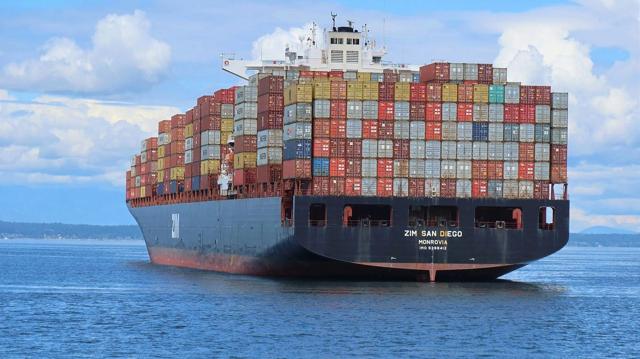
(The Center Square) – President Donald Trump's 50% tariffs on a range of Canadian goods, including cars, dairy and alcohol, take effect Wednesday, and the U.S. importers who pay them still have no federal estimate of what the levies will cost American consumers.
Trump signed three proclamations July 20 under Section 338 of the Tariff Act of 1930, the Depression-era Smoot-Hawley law, imposing 50% duties on a range of Canadian goods, from cars to wine to cement, effective 12:01 a.m. Wednesday.
The White House detailed the harm it says Canada's trade barriers did to U.S. exporters, including a $5.6 billion drop in auto exports and an 81% decline in alcohol sales. It has not published a figure for what the tariffs will cost the importers who pay them or the U.S. consumers who may bear the price.
Phillip Magness, a senior fellow at the Independent Institute, said the omission could be deliberate. Studies of Trump's earlier tariffs have generally found that much of the cost fell on U.S. importers and consumers rather than foreign exporters, contradicting the administration's central claim, he said.
"I suspect the White House is extremely reticent to publish any study of its own that undermines this narrative – especially in an election year," he told The Center Square.
Two Georgetown trade-law scholars have put a number on it. Peter Harrell and Jennifer Hillman, writing at the Volokh Conspiracy, estimated the auto proclamation alone covers about $19.3 billion in U.S. imports, meaning about $10 billion a year in new duties, "nearly twice the harm the Administration itself alleges" from Canada's auto barriers. The tariffs, they wrote, "will face legal challenges that will likely narrow their scope."
In February, the U.S. Supreme Court ruled 6-3 that Trump's earlier tariffs, imposed under the International Emergency Economic Powers Act, were unlawful, prompting a refund process for about $166 billion collected from importers.
Trump has since cycled through one authority after another: a Section 122 tariff ruled unlawful by the U.S. Court of International Trade before expiring in July, Section 301 duties on 60 economies representing 99.4% of U.S. imports and now Section 338. Magness called it "statute-shopping."
USTR and the Treasury Department did not respond to questions about whether any federal estimate of the tariffs' cost to U.S. importers or consumers exists, or whether one will be released before the duties take effect.
The tariffs are set to take effect as U.S. and Canadian negotiators work to head them off. Prime Minister Mark Carney told reporters in St. John's, Newfoundland, that the two countries would have opportunities to talk before the deadline but said little about Canada's position.
Carney spoke with Trump by phone Monday and, in separate remarks that day, described the negotiations as "very intense and delicate," speaking in French.
The White House fact sheet frames the tariffs as leverage, noting the U.S. "did not agree to renew" the U.S.-Mexico-Canada Agreement in its existing form.